Tips for Creating a Cozy and Inviting Home Workspace
Creating a cozy and inviting home workspace is more important than ever. Whether you’re working remotely full-time or just occasionally, having a space that feels comfortable and inspires creativity makes a big difference in productivity and overall happiness. In this post, we’ll explore practical tips to help you design a home workspace that is not only functional but also warm and welcoming.
Why a Cozy Workspace Matters
Working from home offers flexibility, but it also comes with challenges such as distractions and lack of motivation. A cozy workspace can help combat these issues by providing:
– Comfort: Physical comfort supports longer focus and less fatigue.
– Inspiration: A visually appealing environment sparks creativity.
– Organization: A well-planned space reduces stress and clutter.
– Separation: Defining your workspace helps create boundaries between work and personal life.
Now that we understand the benefits, let’s dive into how to create this space.
Choose the Right Location
Consider Natural Light
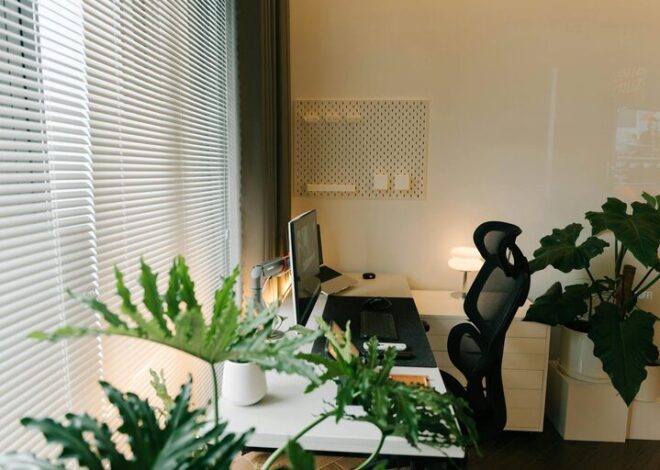
Pick a spot in your home that receives plenty of natural light if possible. Natural light boosts mood and energy, helping you stay alert throughout the day. Placing your desk near a window can reduce eye strain and create a pleasant view.
Minimize Noise and Distractions
If you can, select a quiet area away from heavy foot traffic or loud appliances. Noise-canceling headphones or calming background music can also help if noise is unavoidable.
Invest in Comfortable Furniture
Ergonomic Chair and Desk
Comfort begins with furniture designed to support your body. An ergonomic chair with adjustable height and lumbar support can prevent back pain. Choose a desk that fits your space and allows you to keep your keyboard and monitor at comfortable levels for your posture.
Add Soft Textures
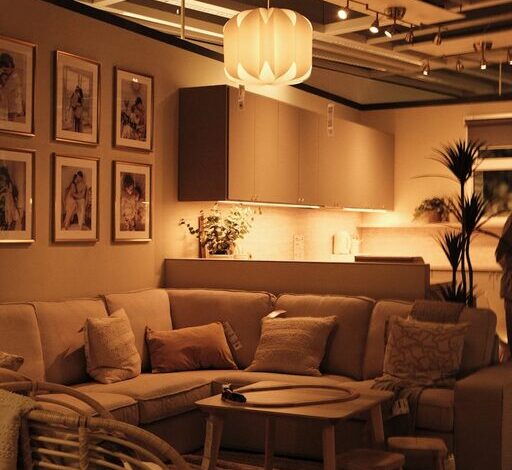
Incorporate soft cushions or a cozy throw blanket for added comfort and warmth. These details can make your workspace feel inviting and less clinical.
Personalize Your Space
Use Calming Colors
Soft, neutral colors or pastels promote calmness and focus. Avoid overly bright or distracting colors that might hinder concentration.
Decorate with Plants
Indoor plants not only brighten the room but also improve air quality and reduce stress. Consider low-maintenance options like succulents or snake plants.
Display Meaningful Items
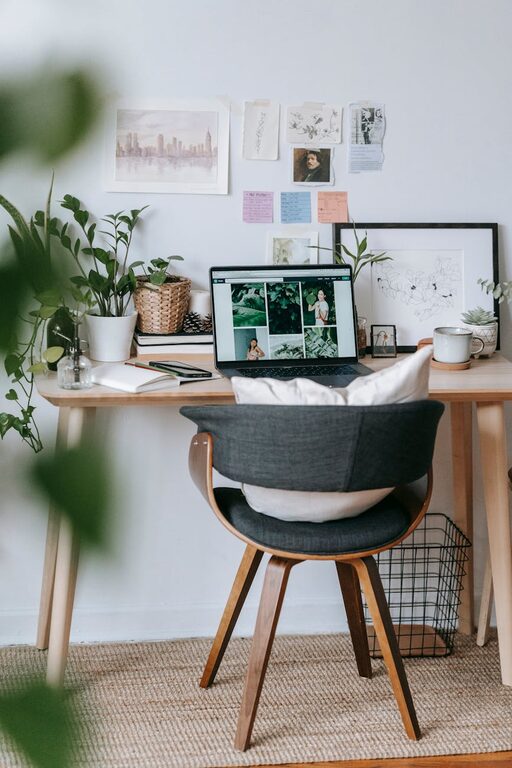
Add photos, artwork, or inspirational quotes that motivate you. Personal touches make the workspace feel more like your own and increase a sense of belonging.
Optimize Lighting
Layer Your Lighting
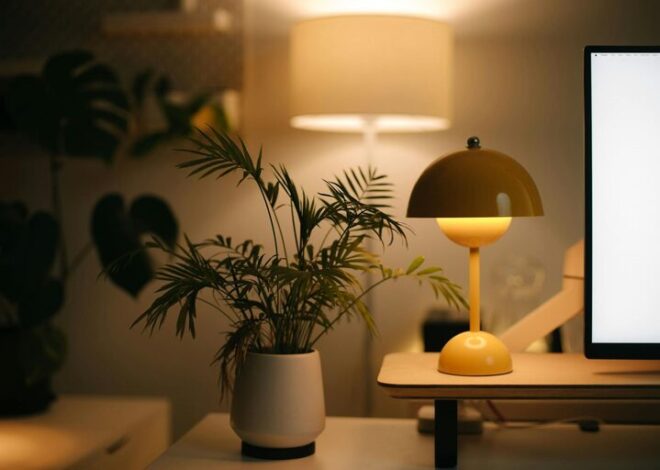
A combination of ambient, task, and accent lighting allows flexibility throughout the day. Use desk lamps with adjustable brightness for focused work during darker hours.
Avoid Glare
Position your computer monitor to avoid glare from windows or overhead lights to reduce eye strain.
Stay Organized
Declutter Regularly
A clutter-free desk helps clear your mind and improve productivity. Keep only essentials on your workspace and find storage solutions for papers and supplies.
Use Storage Solutions
Drawers, shelves, and organizers keep items within reach but out of sight. Label containers to quickly locate what you need.
Establish a Filing System
Digitize documents when possible and create a simple filing system for important papers to keep your desk neat.
Incorporate Comfort and Wellness Elements
Keep Hydrated and Nourished
Place a water bottle nearby and take regular breaks for snacks and hydration to maintain energy levels.
Include Movement Options
If space allows, consider a standing desk option or a small area for stretching and movement breaks.
Use Aromatherapy
Scents like lavender or eucalyptus can create a relaxing atmosphere. Use essential oil diffusers or scented candles safely to add subtle fragrances.
Maintain a Routine and Boundaries
Set Work Hours
Define clear start and end times to maintain a healthy work-life balance.
Create a Ritual for Starting Work
Begin your day with a routine, such as tidying your desk or making a cup of tea, to mentally prepare for work.
Keep Work and Leisure Separate
Avoid using your workspace for non-work activities to strengthen the distinction between your professional and personal life.
Final Thoughts
Designing a cozy and inviting home workspace takes some effort but pays off in improved comfort, productivity, and well-being. By choosing the right location, investing in ergonomic furniture, adding personal touches, optimizing lighting, and staying organized, you can create a space where work feels enjoyable and inspiring. Remember, your workspace should support your needs and reflect your personality—don’t hesitate to adapt it as you discover what works best for you.
With these tips, you’re on your way to a home office that invites you to focus and feel good throughout the day. Happy decorating!